

Kidswant used Qoder to shorten a week-long full-stack requirement to one day and build Zhishu, an AI platform running 400 business scenarios and 300 agents.

While Others Added AI to Their Businesses, Kidswant First Made Its R&D Team AI Native
Many companies talk about AI transformation as adding a few AI features to the business. Kidswant took an earlier step: it first made software creation itself AI native. Qoder was the lever.
A Full-Stack Requirement Went from One Week to One Day
In the past, implementing an integrated frontend-and-backend business requirement meant that people first broke the requirement into tasks and then wrote the code line by line, with tools providing occasional completions on the side. Kidswant's R&D team adopted a different approach. Using Qoder, they clearly described the goal and acceptance criteria and built their internal AI platform, Zhishu, shortening delivery from nearly six months to two months.
Qoder is an Agentic coding platform designed for real-world software development. Unlike ordinary code-completion tools, it first understands the entire codebase and then advances tasks systematically, like an engineer. In actual development, several capabilities changed the team's rhythm.
For a system with many modules and intertwined frontend and backend components, the greatest obstacle is not understanding the codebase. Qoder's Repo Wiki automatically organizes the architecture buried in the code into documentation, continuously updates it as the code changes, and can be committed to Git so the entire team shares the same understanding. When developers ask, "How is this implemented?", they can get an answer without searching through the source code. Multiple developers collaborated during the development of Zhishu. Repo Wiki enabled efficient coordination across complex modules and played an especially important role as Agent orchestration and knowledge-base modules were continuously iterated and integrated.
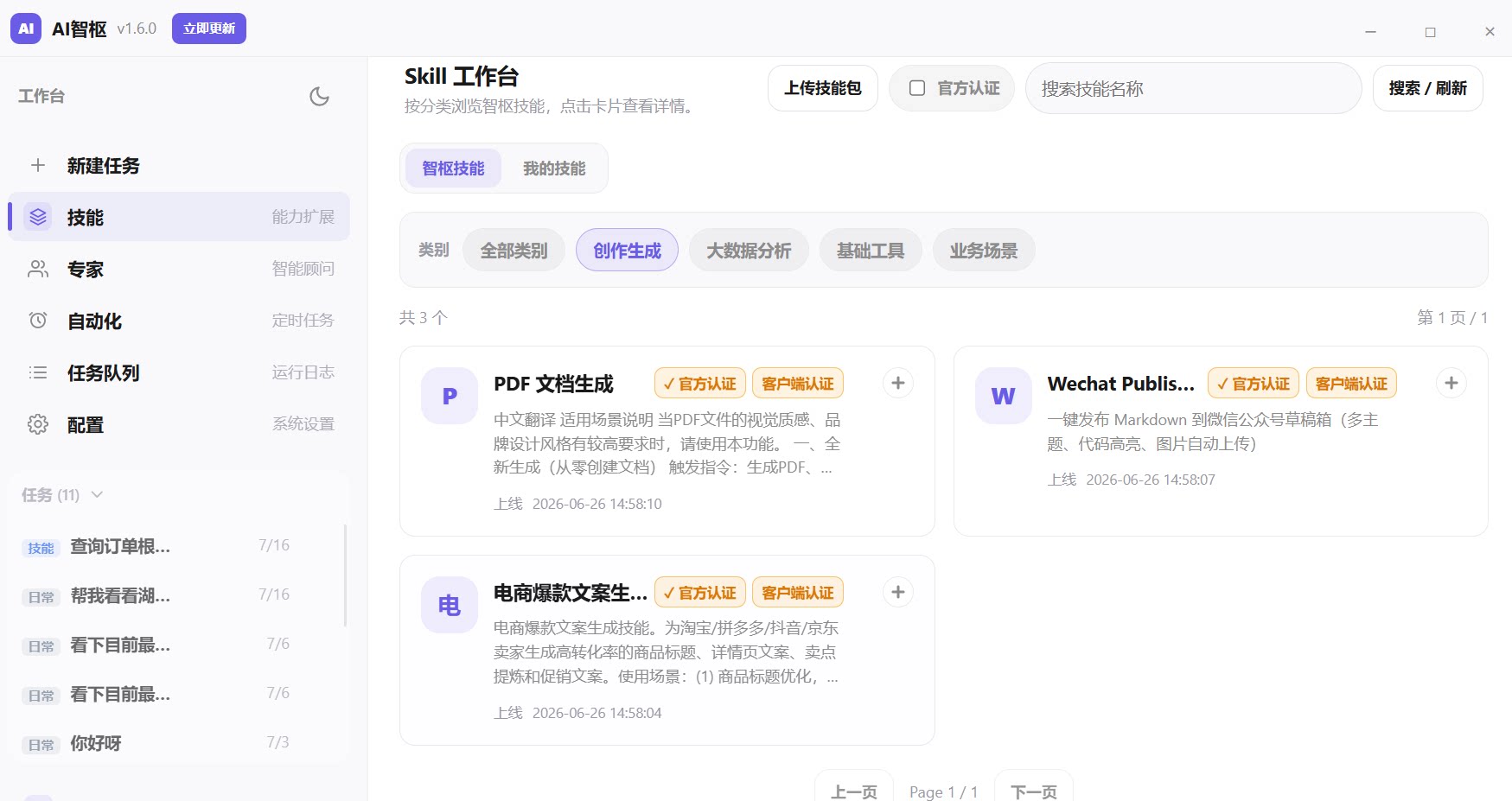
When implementing requirements, the team used Quest Mode. After the goal and acceptance criteria are clearly described, it aligns the scope, designs a solution, writes the code end to end, verifies it, and fixes issues on its own. A full-stack requirement changes files across multiple technology stacks, which is precisely where multi-file modification and long-running execution are valuable. When developing the Skills marketplace for Zhishu, the work involved frontend-backend interaction. After developers clearly described the marketplace's functional requirements and page interactions in Quest Mode, the feature could be completed in about one day.
To ensure that AI-generated code matched the company's business instead of producing boilerplate that required rework, the team packaged coding conventions, business context, and review standards as project-level Skills. Agents then followed those rules automatically when writing and reviewing code. MCP connected Qoder to internal tools and systems.
The significance of this change was not simply how much faster code could be written. The team's default way of working changed from "people write, AI assists" to "people define, AI delivers." That is what AI Native should look like.
Building More Than Ten Expert Agents Was Like Adding More Than Ten Real Teams
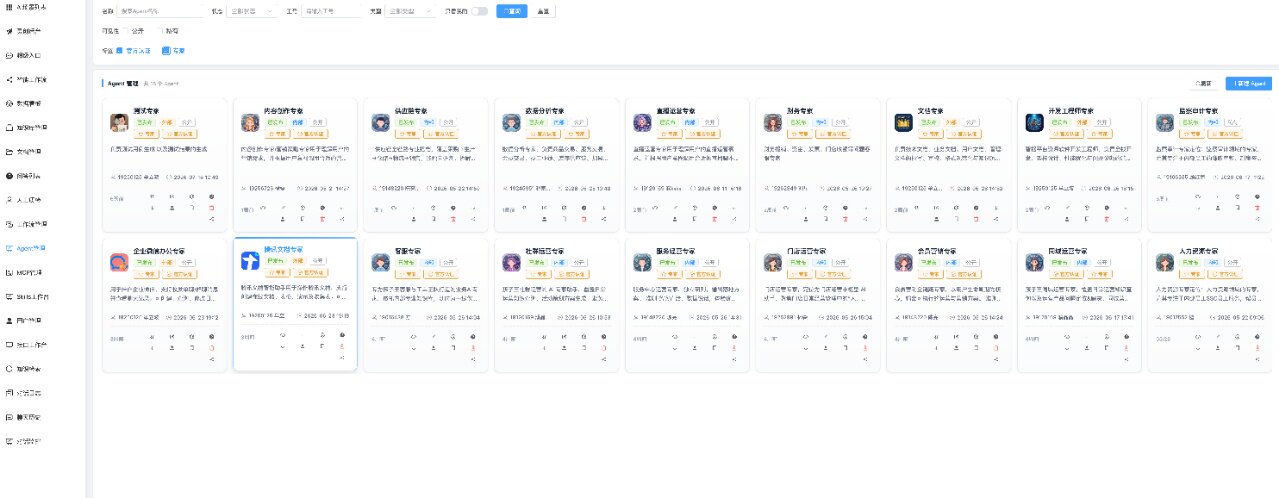
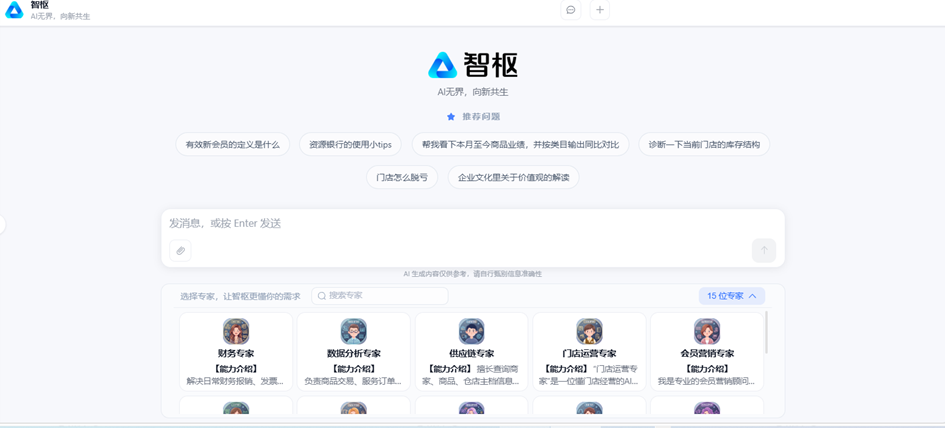
The most important product Kidswant built in this way was Zhishu, its self-developed AI platform. Built on Qwen large language models, Zhishu integrates a knowledge base, workflows, and Skills. It supports multi-Agent collaboration, long- and short-term contextual memory, and interactions through DingTalk, H5, and other channels.
Today, Zhishu runs more than 400 business scenarios and over 300 agents. It has also accumulated more than ten "expert agents" for roles such as data analysis, finance, supply chain, customer service, and content creation. Each corresponds to a real team in the company. Notably, most of the Skills were also created after being optimized with Qoder.
"Can You Use AI?" Became Part of Performance Evaluation
Beyond tools and platforms, Kidswant embedded the transformation in its organization. The CTO and HR organizations led the initiative together, upgrading R&D collaboration while incorporating the ability to use AI into capability evaluations.
Tools can save time, but what the organization does with that time determines the depth of the transformation. For Kidswant, the development time saved by Qoder became time the team could invest in building platforms, connecting scenarios, and accumulating methodology.
Final Thoughts
For a retail company, the hardest part is not buying an advanced tool, but turning that tool into an organizational capability. Kidswant is doing the latter.
Several prerequisites from Kidswant's experience are worth considering:
- What signals indicate that transformation should begin with R&D? Business-side AI requirements have been queued for more than three months, R&D delivery cannot keep up with business demand, and the bottleneck is capacity rather than ideas.
- How should the first pilot requirement be selected? Do not choose the simplest one, because it proves little, or the most complex one, because too many variables make failure likely. Choose a requirement with clear boundaries, multiple technology stacks, and a conventional delivery time of about one week.
- When does Repo Wiki create the most value? When a codebase has hundreds of thousands of lines, many collaborators, and legacy code that newcomers cannot understand. A small project with two or three developers may not need it.
- How should the first Agents be selected? Start with the teams that repeatedly perform the same type of work, rather than with what AI can do. Kidswant mapped every expert agent to a real team—finance to a finance expert, supply chain to a supply-chain expert—so the Agent's boundary, users, and evaluation criteria already existed. Begin with teams that are labor-intensive, rule-driven, and produce standardized outputs.
- When should the change expand to the organizational level? Do not declare company-wide AI adoption at the beginning, when there are no successful examples to support it. Establish a benchmark and measurable results first, then introduce organizational mechanisms.